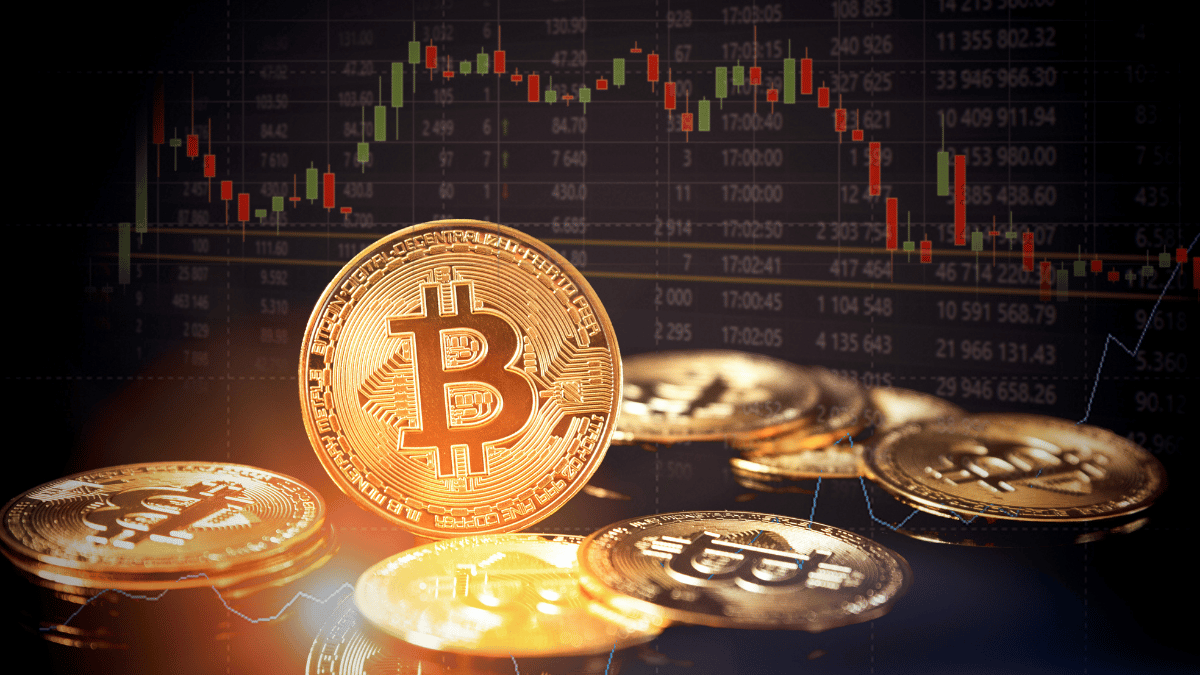
The Recent Bitcoin Price Plunge: A Cause for Alarm?

In early July 2024, Bitcoin price fell to its lowest level since the end of February as it recorded a major dip. This drop to a low of $53,600 on July 5th was mainly caused by Mt. Gox transferring a significant amount of BTC to a new wallet, possibly for paying creditors. Fears arose that creditors would sell the coins the moment they received them, thus putting huge selling pressure on the market. The broader digital asset market also felt the heat with the CoinDesk 20 Index declining by about 6%.

Nevertheless, the above events have since been overshadowed by the Bitcoin price rebounding above $62,000, indicating a bullish run. Currently, BTC is trading at over $64,000, which indicates that the market is slowly becoming stable.

We at Bintense believe that before you buy and sell cryptocurrencies, you need to be fully aware of all market happenings. Let’s discuss this recent event and its effect.

What Caused the Bitcoin Price Slump?

Bitcoin’s recent price drop can be attributed to several factors:

Mt. Gox Repayments: The expected repayments from Mt. Gox involve 140,000 BTC, roughly equal to $7.3 billion. The expectations that these coins will be sold on receipt have led to volatility and selling pressure.

German Government Liquidations: The continuous liquidation of BTC by the German government has also contributed to the selling pressure in the market. These liquidations have been massive, leading to market fluctuations. 

Bitcoin Miner Capitulation: Miners have been unloading more BTC than usual due to low revenue after the most recent halving cycle. This sell-off is essential for them to meet operational expenses.

Record Long Liquidations: Long BTC positions are being liquidated in record numbers and it is causing price drop due to auto-selling to cover losses.

ETF Outflows: Another factor is outflows from Bitcoin spot ETFs. It means a lot of Bitcoin is being sold to meet investor redemptions; this is adding more Bitcoin to the market and decreasing the price.

Why You Should Not Worry

The recent drop in Bitcoin price might be alarming, but it is crucial to note that Bitcoin has frequently experienced such fluctuations in the past. These swings are sometimes part of the cyclical processes of this cryptocurrency’s growth and decline. Here are a few reasons why you should not be overly worried:

  • Historical Cycles: In the past years, Bitcoin has recorded several crashes and subsequent rebounds. Such cycles are inevitable in its long-term growth process. After moving to new lows, Bitcoin bounces back and resumes its uptrend.
  • Market Recovery: Since the decline to near $50,000 level, Bitcoin has started to climb back up, regaining levels above $62,000. This bounce back shows that the market is in the recovery process and slowly regaining confidence.
  • Bullish Momentum: Experts believe that the BTC/USD pair will continue the uptrend. For example, the famous crypto analyst Rekt Capital pointed out that Bitcoin could soon begin a new wave of growth reaching up to $71,000 per coin.

The Bigger Picture

It is important to view the current Bitcoin price slump within the larger context of its overall market performance. The price fluctuates due to market sentiment, regulatory actions, and macroeconomic factors. Nonetheless, the future of Bitcoin is promising, and many analysts expect the price to keep rising in the long run.

To sum up, while the recent Bitcoin price drop might seem alarming, it is a regular occurrence in the cryptocurrency market. To cope with these market shifts, it is essential to use trustworthy sources like ours at Bintense to purchase Bitcoin and enhance your crypto opportunities.

How Close Are We to Paying Taxes in Cryptocurrencies in Europe?

The landscape of cryptocurrency adoption is evolving rapidly, with significant strides being made in integrating digital currencies into traditional financial systems. One of the most groundbreaking developments in this space is the ability to pay taxes using cryptocurrencies. 

Switzerland is at the forefront of this movement in Europe, setting a precedent that other nations are beginning to follow. This article explores how close we are to paying taxes in cryptocurrencies across Europe, examining the current state of adoption, regulatory advancements, and the implications for the future.

Cryptocurrency Integration in Traditional Banking

Integrating digital currencies, including cryptocurrencies, into traditional banking systems is accelerating, with Switzerland leading the charge in Europe. Residents in some Swiss regions can now pay their taxes using cryptocurrencies, a significant step in merging digital finance with established financial frameworks.

Switzerland: A Pioneer in Crypto Adoption

Switzerland stands at the forefront of this transition. Not only can Swiss residents use crypto for everyday purchases like coffee, but they can also pay their taxes with digital currencies. The Swiss Canton of Zug, often called “Crypto Valley,” allows residents to settle their income taxes using Bitcoin or Ethereum, showcasing a practical application of cryptocurrency in public finance.

European Union’s Regulatory Progress

The European Union is making strides to catch up with Switzerland. The Markets in Crypto-Assets Regulation (MiCAR) will come into effect on January 1, 2025, providing a comprehensive regulatory framework for crypto assets across member states. This regulation aims to enhance transparency, security, and consumer protection in the crypto market, facilitating broader adoption.

Customer Demand and Financial Institution Adaptation

Customers are growing increasingly demanding traditional banks offer cryptocurrency services. Similar to the shift from cash to credit cards and then to digital wallets like Apple Pay, the integration of cryptocurrencies is becoming a necessity rather than a novelty. This demand drives banks to explore ways to incorporate crypto services, ensuring they stay relevant in a rapidly evolving financial landscape.

Blockchain’s Role in Transparency and Efficiency

Blockchain technology, which underpins cryptocurrencies, offers significant advantages in transparency and efficiency. By eliminating intermediaries, blockchain reduces transaction costs and enhances security through decentralised cryptographic systems. This technology is more cost-effective and provides a transparent record of transactions, which is crucial for building trust among users.

Challenges and Regulatory Needs

Despite the progress, several challenges remain. Cryptocurrencies, by their nature, operate outside traditional financial systems, which can lead to volatility and regulatory complexities. For widespread adoption, cryptocurrencies must be integrated into existing financial systems with robust regulations to ensure safety and stability. This includes addressing anti-money laundering issues and knowing your customer requirements.

The Future of Crypto in Europe

As cryptocurrencies gain traction, more European countries are exploring their potential for various applications, including tax payments. Switzerland’s example provides a model for other nations, demonstrating the benefits of integrating crypto into public finance and everyday transactions. With the upcoming MiCAR regulations, Europe is poised to become a leader in the global cryptocurrency market, offering a more regulated and secure environment for digital assets.

The journey towards paying taxes with cryptocurrencies in Europe is well underway, led by pioneering efforts in Switzerland and supported by upcoming EU regulations. As more countries recognize the benefits of integrating digital currencies into their financial systems, the future looks promising for the broader adoption of cryptocurrencies across Europe. Coinsdrom continues to monitor these developments, providing users with up-to-date information and opportunities in the evolving crypto landscape.

Everything you need to know about smart contracts and ETH price

At Coinsdrom we often get questions about smart contracts and their impact on the ETH price. To help you understand this relationship, we’ll break down what smart contracts are, provide a brief history, and explain how they influence the value of Ethereum (ETH).

What are Smart Contracts?

Smart contracts are self-executing contracts where the terms of the agreement are directly written into lines of code. These contracts automatically execute and enforce the terms of an agreement when predefined conditions are met. This eliminates the need for intermediaries, reduces costs, and increases efficiency.

For instance, imagine a scenario where you want to buy a piece of digital art. With a smart contract, the payment and transfer of ownership can be automated and secured through the blockchain. Once you send the required amount of ETH, the smart contract verifies the transaction and transfers the digital art to your wallet without any need for third-party intervention.

A Brief History of Smart Contracts

The concept of smart contracts was first proposed by Nick Szabo, a computer scientist and cryptographer, in the 1990s. However, it wasn’t until the advent of blockchain technology that smart contracts became a practical reality.

In 2015, the Ethereum blockchain was launched by Vitalik Buterin and his team. Ethereum was designed specifically to support smart contracts, making it a pioneering platform in this space. Unlike Bitcoin, which was created primarily as a digital currency, Ethereum provides a decentralized platform for developers to build and deploy smart contracts and decentralized applications (dApps).

ETH Price and Smart Contracts Usage

The popularity and usage of smart contracts have a direct correlation with the ETH price. Here’s how:

  • Increased Demand for Ethereum: As more developers create smart contracts and dApps on the Ethereum blockchain, the demand for ETH increases. This is because ETH is required to pay for transaction fees, known as gas fees, on the network. Higher demand for Ether can lead to an increase in the ETH price.
  • Network Activity: The more active the Ethereum network is, the higher the transaction volume. When the network is heavily used, gas fees tend to rise, leading to more ETH being spent.
  • Ecosystem Growth: The growth of the Ethereum ecosystem, driven by smart contracts, attracts more investors and users. The development of innovative applications, such as decentralized finance (DeFi) platforms and non-fungible tokens (NFTs), brings more attention and value to Ethereum, positively impacting the ETH price.
  • Market Sentiment: Positive developments in the Ethereum network, such as successful upgrades and increased adoption of smart contracts, can boost confidence. This improved sentiment often translates into higher demand for ETH, which could contribute to an increase in its price.

The Future of Smart Contracts

As the technology behind smart contracts continues to evolve, we can expect even greater adoption and integration into various industries, from finance to supply chain management. This widespread adoption will likely continue to drive the demand for ETH. Coinsdrom is glad to discuss topics like this one, given its impact on the broad digital assets space and numerous applications of smart contracts.

Crypto Stored the Right Way – How to Buy Crypto Online Safely

We at Coinsdrom operate as an authorized exchange for crypto and thus understand that buying and storing cryptocurrencies can be daunting, especially for beginners. With the rise in popularity of digital currencies, it’s crucial to know how to buy crypto online safely and store it securely. Here’s a comprehensive guide to ensure your crypto investments are well-protected.

Buy Crypto Online Safely: Key Steps

In order to buy crypto online safely, the first step is choosing a reputable exchange like ours. Look for exchanges that have robust security measures, such as two-factor authentication (2FA), encryption, and a solid track record of protecting users’ assets.

Once you’ve chosen a trustworthy exchange, here are the steps to follow:

  1. Set Up an Account: Register on the exchange platform, providing the necessary identification documents to comply with Know Your Customer (KYC) regulations.
  2. Enable Security Features: Activate 2FA and any other security features offered by the exchange.
  3. Purchase Cryptocurrency: Use your preferred payment method to buy the desired amount of cryptocurrency.
  4. Transfer to a Secure Wallet: After purchasing, transfer your crypto to a secure wallet rather than leaving it on the exchange.

Storing Crypto: Hot vs. Cold Wallets

Storing your cryptocurrency properly is as important as buying it safely. There are two primary types of wallets: hot wallets and cold wallets.

Hot Wallets

Hot wallets are online wallets connected to the internet. They are convenient for frequent transactions but are more vulnerable to hacks. Examples include:

  • Exchange Wallets: Wallets provided by the exchange where you bought your crypto.
  • Mobile and Desktop Wallets: Apps you install on your smartphone or computer.

While hot wallets offer ease of access, they should only be used for small amounts of crypto that you plan to use regularly.

Cold Wallets

Cold wallets, also known as cold storage, are offline wallets not connected to the internet, making them much safer from online threats. Examples include:

  • Hardware Wallets: Physical devices like USB drives that store your private keys securely. Popular brands include Ledger and Trezor.
  • Paper Wallets: Physical pieces of paper with your private and public keys printed on them.

Cold wallets are ideal for long-term storage of larger amounts of crypto because they provide an extra layer of security against online attacks. More often than not, the solution for storing crypto safely is to use a combination of hot and cold wallets, to ensure you have flexibility alongside security.

Final Thoughts

When you buy crypto online safely, it’s just the beginning. Storing it securely is essential to protect your investment from theft and loss. By using a combination of hot and cold wallets and following best practices for security, you can ensure that your cryptocurrency is safe.

At Coinsdrom, we prioritize your security and provide the necessary tools and information to help you navigate the world of cryptocurrencies confidently. Whether you’re new to crypto or an experienced individual, remember that security is paramount. Follow these guidelines to buy crypto online safely and store it the right way.

CRITICAL ALERT

Restricted Service Availability for Retail Clients in the UK. Please note that the services provided on this platform are presently unavailable to Retail Clients residing in the United Kingdom.